
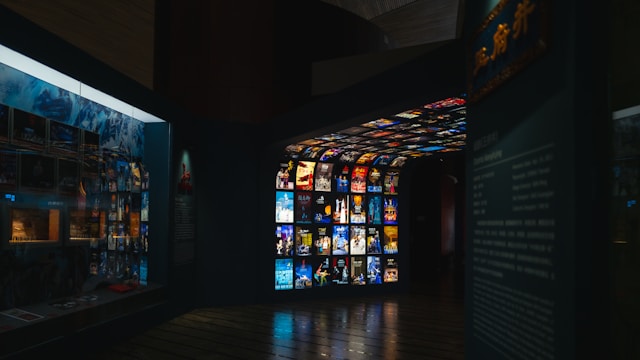
For decades, Nollywood has remained one of the most influential film industries in the world, not simply because of volume, but because of its ability to tell deeply human stories that resonate across cultures and generations.
What began with modest productions and limited resources has evolved into a cinematic movement defined by ambition, visual sophistication, and globally recognized storytelling.
Today, Nigerian cinema stands at a defining moment where tradition meets innovation, and storytelling continues to evolve beyond expectations.
From Survival Stories to Cinematic Universes
Early Nollywood films were driven by raw emotion, cultural authenticity, and relatable themes. Audiences connected with stories that reflected everyday realities, family conflict, ambition, love, betrayal, spirituality, and survival.
Those stories built the foundation of an industry that audiences trusted.
Over time, filmmakers began pushing beyond conventional storytelling structures. Production quality improved. Visual direction became more intentional. Sound design, cinematography, and screenwriting evolved into stronger creative disciplines.
The modern Nigerian audience now expects more than entertainment. They expect immersion.
The Rise of Cinematic Excellence
The evolution of digital filmmaking transformed what became possible within African cinema. Better cameras, advanced post-production workflows, visual effects, and international collaborations expanded the creative horizon for filmmakers.
Today’s productions are no longer judged only locally. They compete globally.
Audiences now appreciate:
- stronger visual storytelling,
- layered narratives,
- emotionally grounded performances,
- and cinematic world-building.
This shift has pushed production companies to prioritize both story and execution equally.
Why Storytelling Still Matters Most
Technology may improve the image, but storytelling remains the soul of cinema.
Great films endure because audiences remember how they felt, not just how the visuals looked.
The most impactful productions understand:
- pacing,
- emotional tension,
- character depth,
- silence,
- and human vulnerability.
This is what separates temporary content from timeless cinema.
The Global Future of African Cinema
Streaming platforms and digital distribution have opened African storytelling to global audiences like never before.
Viewers across continents are now discovering the depth, originality, and cultural richness of Nigerian film and television.
But global visibility also raises the standard.
The future belongs to productions that can combine:
- authentic storytelling,
- cinematic quality,
- cultural identity,
- and world-class execution.
The industry is no longer just growing. It is evolving into a global cinematic force.
The Responsibility of Modern Filmmakers
As the industry expands, filmmakers carry a greater responsibility to preserve authenticity while embracing innovation.
Cinema has the power to:
- shape culture,
- preserve identity,
- challenge perspectives,
- and inspire generations.
The stories created today will become part of tomorrow’s cultural memory.
That responsibility demands intentional storytelling and uncompromising creative standards.
Final Thoughts
The evolution of Nollywood is not simply a story of growth, it is a story of transformation.
From humble beginnings to globally respected productions, African cinema continues to prove that powerful storytelling transcends geography.
And as the next chapter unfolds, one thing remains true:
Stories told with honesty, emotion, and cinematic vision will always endure.
Ready to create stories that leave lasting impact? Explore our productions and discover the craft behind timeless cinema.